
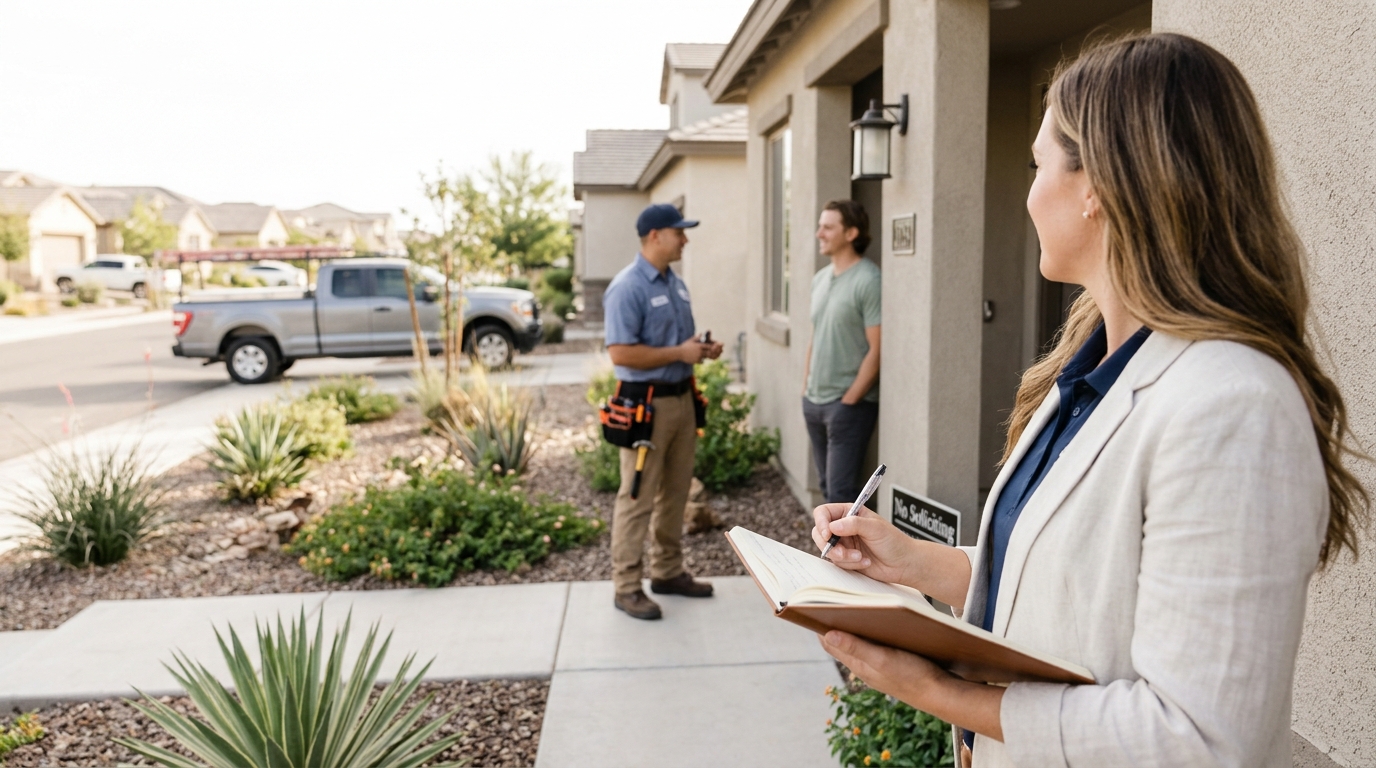
7 Best Ways Property Managers in Peoria Coordinate Maintenance for Rental Homes
Effective maintenance coordination is the backbone of successful rental property management. It ensures tenant satisfaction, protects asset value, and minimizes costly emergency repairs. Carol Duffy, a property management specialist in the region, emphasizes that proactive communication and structured workflows are essential for long-term rental success. This listicle outlines the most effective strategies used by professional managers to handle maintenance requests efficiently. For additional details, review the carolduffy com.
1. Dedicated Maintenance Intake Systems
A centralized digital portal ensures every request is logged, timestamped, and assigned immediately. Professional property managers use specialized software to capture maintenance requests from tenants. This system prevents requests from getting lost in email inboxes or phone messages. It creates a single source of truth for all property issues, allowing the management team to prioritize work effectively. For additional details, review the Customer Experience.
2. Tiered Response Protocols
Classifying issues by urgency ensures critical problems are addressed before routine repairs. Managers categorize requests into emergency, urgent, and routine tiers. Emergencies, such as water leaks or no heat, trigger immediate action. Routine issues, like a dripping faucet, are scheduled during regular business hours. This triage process optimizes labor costs and response times. For additional details, review the Frequently Asked Questions.
3. Vetted Vendor Networks
Maintaining a roster of trusted local contractors ensures quality work at fair prices. Property managers in Peoria build relationships with licensed plumbers, electricians, and HVAC technicians. These vendors are vetted for insurance, licensing, and reliability. Having a pre-approved list allows managers to dispatch the right professional quickly without the delay of searching for new contractors during an emergency. For additional details, review the About.
4. Preventive Maintenance Schedules
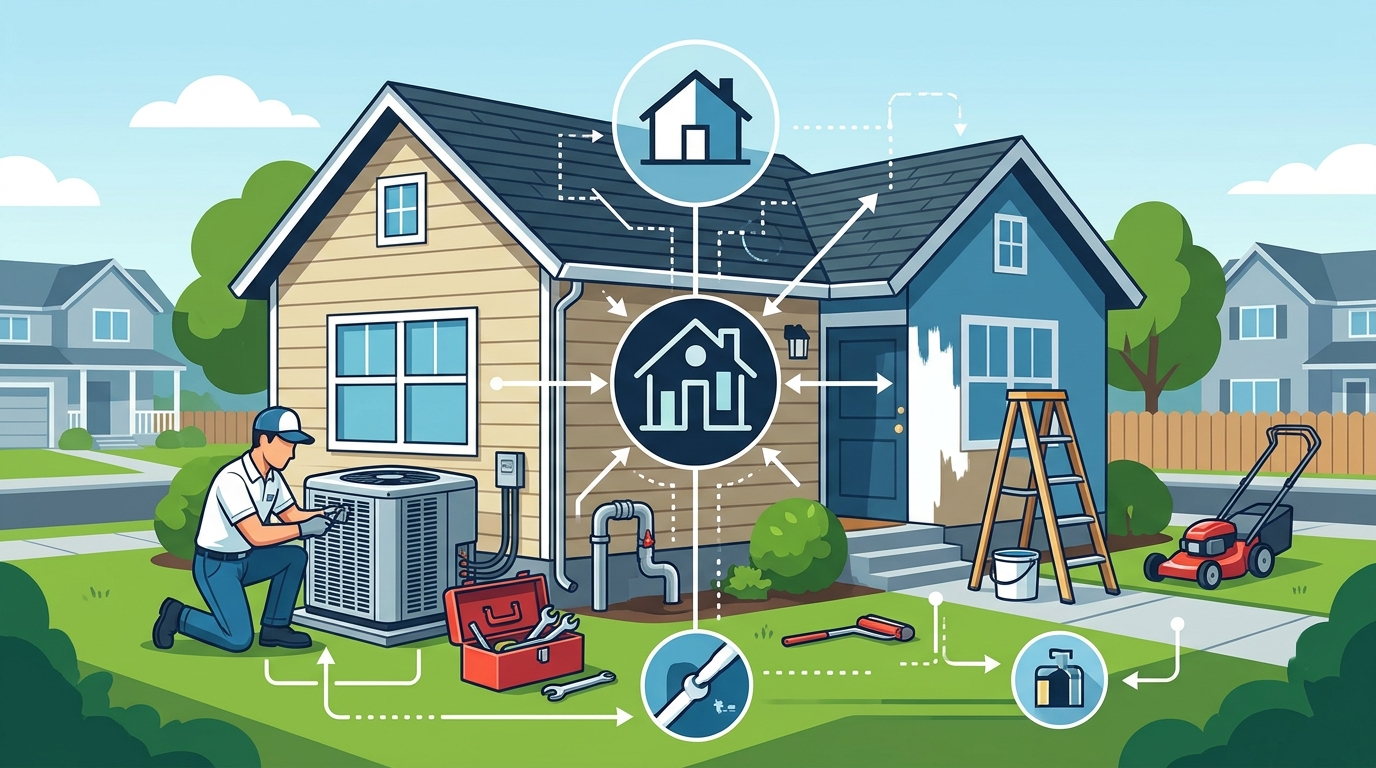
5. Transparent Tenant Communication
Keeping tenants informed about the status of their requests builds trust and reduces frustration. Managers send automated updates when a request is received, when a vendor is dispatched, and when the job is completed. This transparency helps tenants understand the process and sets realistic expectations. It also reduces the volume of status inquiry calls to the management office.
6. Digital Documentation and Tracking
7. Regular Property Inspections
Periodic walkthroughs identify potential issues before they affect tenant livability. Managers conduct quarterly or semi-annual inspections to assess the property’s condition. These inspections allow the team to spot early signs of wear and tear, such as peeling paint or minor leaks. Addressing these issues during inspections prevents them from escalating into larger problems.
Choosing the Right Approach
The best maintenance coordination strategy depends on the property type and tenant profile. For high-end homes, a focus on preventive care and premium vendors is often best. For smaller multifamily properties, efficient triage and digital tracking are key. Carol Duffy’s property management services in Peoria combine these strategies to deliver reliable, professional care for investment properties.
Frequently Asked Questions
How quickly should a property manager respond to an emergency maintenance request?
Emergency requests, such as water leaks or electrical hazards, should be addressed within a few hours. Routine requests can be scheduled within 24 to 48 hours.
Who pays for routine maintenance in a rental property?
Generally, the property owner is responsible for routine maintenance and major repairs. Tenants are responsible for damage caused by their negligence or misuse.
How does a property manager choose a vendor for repairs?
Managers use a vetted network of licensed and insured contractors. They consider factors like availability, cost, and past performance when selecting a vendor.
Can tenants request specific contractors for repairs?
Usually, property managers must use their approved vendor list to ensure quality and compliance. However, they may consider tenant requests on a case-by-case basis.
How often should a property manager inspect a rental home?
Most professional managers conduct inspections every three to six months. The frequency may vary based on the property’s age and condition. Learn more: carolduffy com.