

Choosing between self-directed acquisition and professional representation in Phoenix depends on your risk tolerance and local market knowledge. A professional buyer's agent is a licensed real estate professional who represents the buyer's interests exclusively during a transaction. For investors in the Phoenix metro area, the decision often hinges on whether you possess the specific data access and negotiation leverage required to secure high-yield assets. Carol Duffy, a specialist in Phoenix investment property acquisition, provides the expert guidance needed to navigate this complex landscape effectively. For additional details, review the carolduffy com.
Self-Directed Acquisition: The DIY Approach
Strengths of the DIY Method
The most significant benefit of self-directed buying is among the direct relationship with the seller. You can communicate your specific investment thesis without filtering through a representative. This method also allows for immediate decision-making, which can be crucial in fast-moving markets. Additionally, you retain full visibility into all transaction costs and fees, ensuring no hidden charges appear on the closing statement. For experienced investors with established networks, this directness can streamline the closing process significantly. For additional details, review the Frequently Asked Questions.
Limits and Risks
The primary limitation is the absence of fiduciary duty from the listing agent, who is legally obligated to serve the seller. Without a buyer's agent, you may lack the leverage to negotiate repairs or price reductions effectively. Furthermore, DIY buyers often miss critical due diligence steps, such as verifying utility connections or assessing flood zone risks. In Phoenix, where water rights and desert land regulations can be complex, this knowledge gap poses a substantial financial risk. The time required to manage every aspect of the deal can also distract from your core investment strategy. For additional details, review the About.
Professional Buyer's Agent: The Expert Path
A professional buyer's agent is a licensed real estate professional who acts as a fiduciary for the buyer, providing advice, negotiation, and transaction management. In the Phoenix market, these agents possess deep knowledge of neighborhood-specific rental trends, appreciation rates, and local regulations. They provide access to off-market listings and private networks that are not available to the general public. This expertise is particularly valuable for investors seeking high-end properties or complex multifamily assets. The agent's role is to protect your financial interests and ensure the property meets your investment criteria before you commit capital.
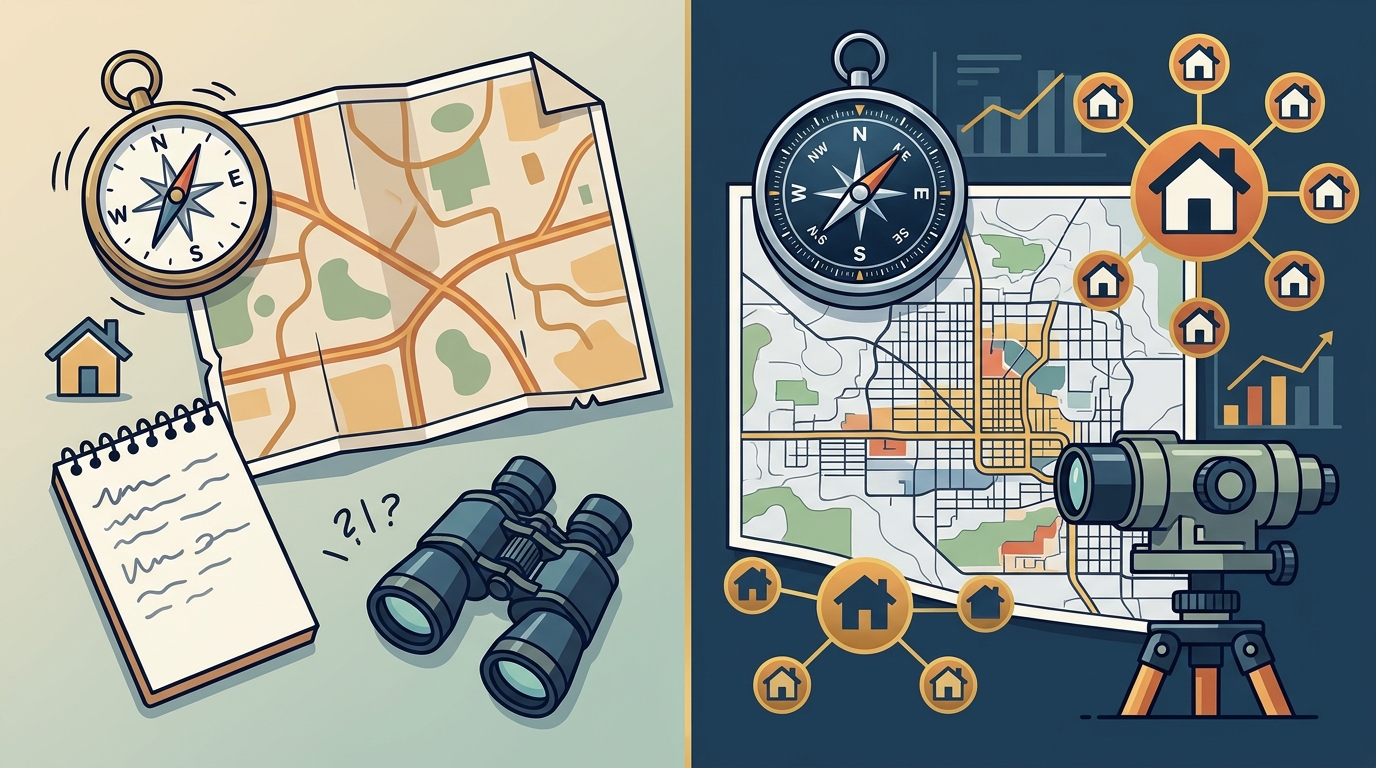
Strengths of Professional Representation
The core strength of using a professional agent is their access to comprehensive market data. They can analyze comparable sales, rental income projections, and cap rates with precision. This data-driven approach helps you make informed decisions based on objective metrics rather than intuition. Additionally, professional agents have established relationships with inspectors, contractors, and lenders, which can expedite the closing process. They also provide critical advice on tax implications and financing options, ensuring your investment structure is optimized for long-term growth. For new investors, this guidance is invaluable in avoiding costly mistakes.
Limits and Considerations
The main consideration is the potential for misalignment of interests if the agent is not truly independent. It is crucial to verify that your agent works exclusively for you and not for the seller or a brokerage that prioritizes volume over client success. Some investors may feel that an agent adds an unnecessary layer of communication, potentially slowing down negotiations. However, for most investors, the value of expert negotiation and risk mitigation far outweighs these minor inconveniences. Choosing the right agent requires careful vetting of their experience with investment properties specifically.
Comparison of Acquisition Strategies
| Criteria | Self-Directed (DIY) | Professional Buyer's Agent |
|---|---|---|
| Market Data Access | Limited to public listings | Full access to MLS and off-market deals |
| Negotiation Leverage | Low, facing listing agent | High, fiduciary representation |
| Time Commitment | High, manual research required | Low, agent handles due diligence |
| Risk Mitigation | Self-managed, higher error risk | Expert vetting and legal review |
| Cost Structure | No commission, but potential overpayment | Commission paid by seller, value added |
Choosing the Right Strategy for Your Portfolio
Selecting the right approach depends on your experience level and the complexity of the asset. For first-time investors or those purchasing high-value properties, professional guidance is often essential. For experienced investors with local expertise, a hybrid model may be appropriate. The key is to align your strategy with your specific investment goals and risk tolerance. Understanding the local Phoenix market dynamics is critical, as regional factors can significantly impact property value and rental income.
Choose Self-Directed If
You have extensive experience in the Phoenix real estate market and established local networks. You possess the time and resources to conduct thorough due diligence independently. You are comfortable navigating legal and regulatory complexities without professional assistance. Your investment strategy focuses on high-volume, low-complexity assets where speed is more important than deep analysis.
Choose a Professional Agent If
You are new to the Phoenix market or investing in a different region. You are purchasing high-end or complex multifamily properties that require specialized knowledge. You lack the time to manage every aspect of the transaction personally. You want access to off-market listings and private networks that are not publicly available. You seek fiduciary protection and expert negotiation to maximize your return on investment.
Frequently Asked Questions
Does the buyer pay the agent's commission in Phoenix?
In most traditional transactions, the seller pays the commission for both the listing agent and the buyer's agent. However, recent changes in real estate regulations may alter this structure. It is essential to clarify the compensation model with your agent before making an offer. Some agents may negotiate a lower commission in exchange for exclusive representation.
Can I use a buyer's agent if I am buying from a friend?
Yes, you can use a buyer's agent even if the seller is a friend or family member. The agent will ensure the transaction is conducted at fair market value and that all legal requirements are met. This can actually help preserve the relationship by providing an objective third party to handle the financial details. The agent's role is to protect your interests, regardless of the seller's identity.
How do I find a buyer's agent who specializes in investment properties?
Look for agents who explicitly market themselves as investment specialists. Review their transaction history for investment properties, not just residential sales. Check their knowledge of local rental markets, zoning laws, and financing options. You can also ask for references from other investors who have worked with them. A specialist will have a deep understanding of cap rates, cash flow, and long-term appreciation trends.
What is the switching cost if I change agents mid-transaction?
Switching agents mid-transaction can be complex and may involve legal and financial implications. It is generally best to select the right agent before making an offer. If you must switch, ensure that many previous agreements are terminated in writing. The new agent may need to review many existing documents, which can delay the closing process. It is advisable to consult with a real estate attorney if you encounter issues with a previous agent.
How does a buyer's agent help with due diligence?
A buyer's agent coordinates all aspects of due diligence, including inspections, title searches, and survey reviews. They review the findings and advise you on any potential issues. They can also negotiate repairs or credits based on the inspection results. This comprehensive approach ensures that you are fully informed before closing the deal. The agent's expertise helps you identify hidden problems that could affect the property's value or usability. Learn more: carolduffy com.